
Why Our Pineapple Cake Uses Real Taiwanese Pineapple + Winter Melon
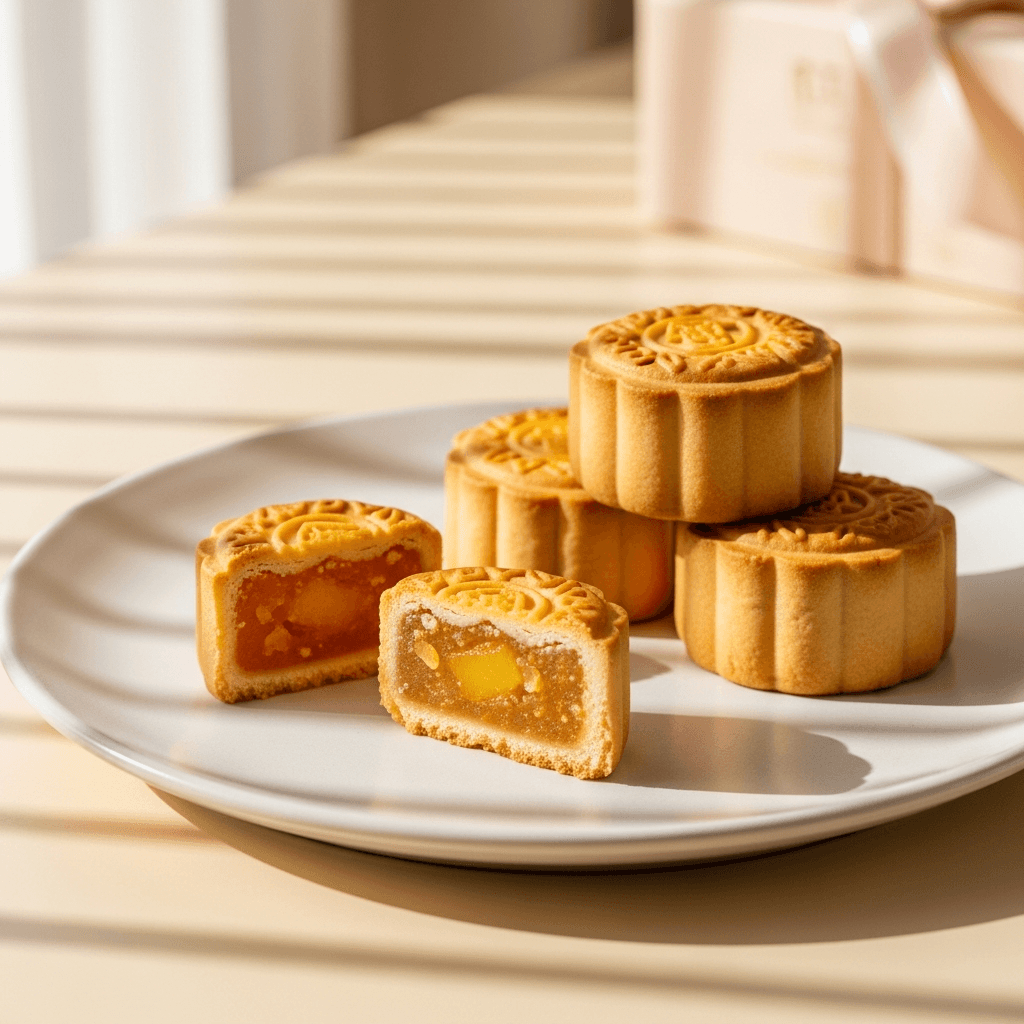
In the US, “pineapple cake” shows up in Asian bakeries and supermarkets — but most are made with concentrated pineapple jam, corn syrup, and artificial flavoring. Bright yellow, overly sweet, sticky texture. That's not the pineapple cake Taiwanese people grew up with.
At TaiwanWay, we make only one version — native Taiwanese pineapple air-freighted from Taiwan, combined with a traditional winter melon base. Here's why we go through all this trouble.
Native Pineapple vs. Golden Pineapple: A World of Flavor Apart
Walk into any fruit market in Taiwan and you'll see two kinds of pineapple:
- Golden (Jinzuan) pineapple: thin skin, juicy, sweet, bright yellow flesh — excellent fresh or in juice, but too watery, too sweet, too mild for baking
- Native pineapple (kāi-ing or “No. 2”): thick skin, coarser fibers, pronounced acidity, concentrated aroma — perfect for filling: tangy, fragrant, not cloying
Taiwan's most revered pineapple cake bakeries — Sunnyhills, Chia Te, Kuo Yuan Ye — all use native pineapple. It's not marketing; it's craft. TaiwanWay sources from contract native-pineapple farms in southern Taiwan, cooks the filling on-site in Taiwan, and air-freights it to New York.
The Role of Winter Melon: Not a Shortcut, a Tradition
When non-Taiwanese customers hear “pineapple cake contains winter melon,” they often do a double-take. “Winter melon? I thought it was pineapple cake?”
Winter melon is the base of a traditional pineapple cake filling; pineapple is the accent — typically 70% winter melon, 30% pineapple. Why?
- Balances acidity — native pineapple alone is tongue-tinglingly tart
- Balances sweetness — pure pineapple cooked down becomes overpoweringly sweet
- Provides texture — winter melon, minced and slow-cooked, gives that distinctive chewy-translucent quality
- Historical tradition — pineapple cakes originated from wedding confections in central Taiwan, where winter melon filling has always been the foundation
Any decades-old Taiwanese pineapple cake shop you walk into — the filling is winter melon + pineapple, not pure pineapple. The “100% pineapple” variety (tǔ fènglí sū) is a newer, tangier interpretation of the classic — but even those still use winter melon as the backbone.
Why Airfreight, Why Not Make It Here?
Friends ask: “You're in New York — just buy American pineapple, make the filling here, done.”
Short answer: no, because:
- Native Taiwanese pineapple is essentially unavailable in the US — 99% of American supermarket pineapple is the golden variety from Costa Rica or the Philippines
- Canned pineapple has been heat-sterilized and sugar-soaked; the flavor is long gone
- Winter melon is available at Chinese grocers, but quality and water content varies wildly
- The cooking technique — from peeling to mincing to slow-stirring over low heat — takes 6–8 hours of continuous attention. Decades of Taiwanese bakery knowledge doesn't transfer via YouTube tutorials.
Our solution: filling made in Taiwan by experienced artisans, then air-freighted to New York. At the shop, we handcraft the butter pastry fresh daily and fill each cake by hand. Every pineapple cake on our counter was baked today — and what you bite into is the actual soil and climate of southern Taiwan, unchanged.
$3.25 a Piece — Here's What That Buys
Some customers find $3.25 expensive. Breaking it down:
- Taiwan-imported native pineapple + winter melon filling: ~$0.90
- Pure butter pastry: ~$0.50
- Hand-shaping and baking time: ~$0.40
- Packaging + overhead: ~$0.50
- Subtotal cost: ~$2.30
But what you're buying is: the actual flavor of a Tainan pineapple farm, delivered complete and undiluted to Middletown, NY.
If you've only had the plastic-tray “pineapple cake” from supermarket aisles, come try one at TaiwanWay. The moment you bite in, you'll know — these are not the same thing.